
Quick Summary
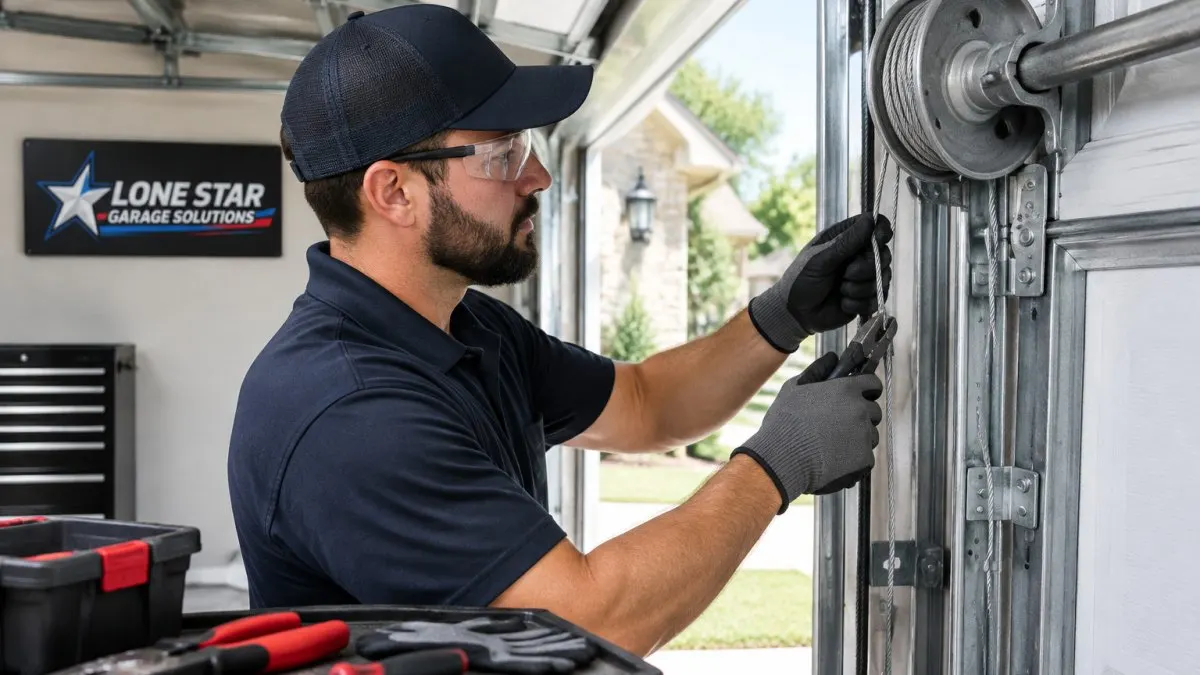
Cable repair safety starts with stopping use of the door, keeping people and vehicles clear, and never pulling on or adjusting a cable yourself. Cables sit under heavy spring tension, so a broken or frayed cable should be handled by a qualified technician who can release the tension safely.
- Stop using the opener right away if a cable is frayed, slack, or broken.
- Pull the red manual release cord only if you can do so without standing under the door.
- Keep children, pets, and vehicles out from under the door and out of its path.
- Wear safety glasses and work gloves for any visual checks, and stay at a safe distance.
- Leave cable, spring, and drum work to a trained technician who can release tension safely.
**Is your garage door cable safe?**Lone Star Garage Solutions inspects, repairs, and balances garage door cables in New Braunfels.
Why Garage Door Cables Matter and What They Do
Garage door cables are the high-strength steel lines that lift and lower your door.
Because the cables carry so much tension, they play a big role in keeping the door level. If one side loses its cable, the door can tilt, bind in the track, or drop unevenly.
The first step in cable repair safety is knowing what a healthy cable looks like, so you can spot trouble early.
Signs of a Frayed, Loose, or Broken Cable
Cables rarely fail without warning. Look for these signs:
- Visible fraying or broken strands along the cable
- A cable that looks loose, slack, or sitting unevenly on the drum
- The door sitting crooked or lifting unevenly
Watch out: A cable under tension can snap and whip with real force. If you see any of these signs, keep your hands and face away from the cable and do not try to pull on it.
What to Do When a Garage Door Cable Broke on One Side
A broken cable on one side is one of the most common cable failures, and it is also one of the most dangerous to ignore. When one cable lets go, the door loses its even lift. The remaining cable and the springs are now carrying an unbalanced load, so the door can bind, tilt, or drop suddenly. The opener will often strain or refuse to move the door at all.
First 10 Minutes: Secure the Door and the Area
- Stop using the opener immediately. Do not press the button again to “see if it works.” Each cycle puts more load on the remaining cable and the springs.
- Disconnect the opener if the door is closed. Pull the manual release cord only if you can do so without standing under the door. On most openers the release is a red cord hanging from the trolley; pulling it separates the door from the opener so the door cannot be driven.
- Keep people and property clear. Move children, pets, and vehicles out of the door’s path and out from under the door. An unbalanced door can drop without warning.
- Do not prop, pry, or lift the door by hand. A door with one broken cable is not balanced, and the remaining tension can release unexpectedly.
- Call a qualified technician. Describe what you see, which side failed, whether the door is open or closed, and whether the cable is slack, snapped, or tangled on the drum.
Watch out: Never stand in the path of a cable or under a door that is hanging crooked. A cable under tension can snap and whip with enough force to cause serious injury.
Why the Door Type Changes the Hazard
The safe response depends on which spring system your door uses. The two common systems behave very differently when a cable fails.
- Extension-spring systems use springs mounted above the door along the horizontal tracks, running parallel to the tracks. When a cable fails on an extension-spring door, the spring can release its stored energy along the track. These springs are under high tension and should only be handled by a trained technician.
- Torsion-spring systems use a spring (or springs) mounted on a shaft above the door. A torsion system holds tension across the shaft and drums. When a cable comes off a drum on a torsion door, the door can drop quickly on one side, and the spring tension remains stored until a technician releases it with the proper winding bars.
In both cases, the homeowner’s job is the same: stop using the door, secure the area, and call a professional. The difference matters because it tells the technician what tools and precautions to bring, and it explains why you should never try to “take the tension off” yourself.
What a Qualified Repair Should Verify
A proper cable repair is more than swapping the cable. After the repair, a qualified technician should confirm:
- The door moves smoothly and evenly on both sides, with no binding in the tracks.
- The door is balanced, it should stay in place when raised partway by hand (with the opener disconnected).
- The new cable tracks correctly on the drum and over the pulleys, with no rubbing on the track or brackets.
If the door still looks crooked, sounds different, or will not stay put after a repair, stop using it and call the technician back.
Lone Star Garage Solutions serves homeowners in New Braunfels and nearby Central Texas communities. For a broken cable, a qualified technician can inspect the cable, spring, drum, and door balance together so the whole system is checked.
Why Garage Door Cables Came Off and How to Stay Safe
Garage door cables come off the drum or pulley for a few common reasons. Wear and tear, rust, a loose fitting, or an improperly balanced door are the usual causes.
Staying safe starts with not trying to fix it yourself. Cables under tension can cause serious injuries, and most homeowners do not have the tools or training to handle them safely.
Stop-Work Criteria: When to Stop Using the Door
Stop using the door right away if you notice any of these:
- The door is crooked, binding, or dropping unevenly
- A cable is visibly frayed, slipping, or broken
- The door makes loud snapping or grinding noises
Keep children, pets, and vehicles clear of the door until a professional has inspected it.
Safety Precautions and Protective Gear Before You Start
Even simple checks need care. Before you look at any cable, follow these safety steps:
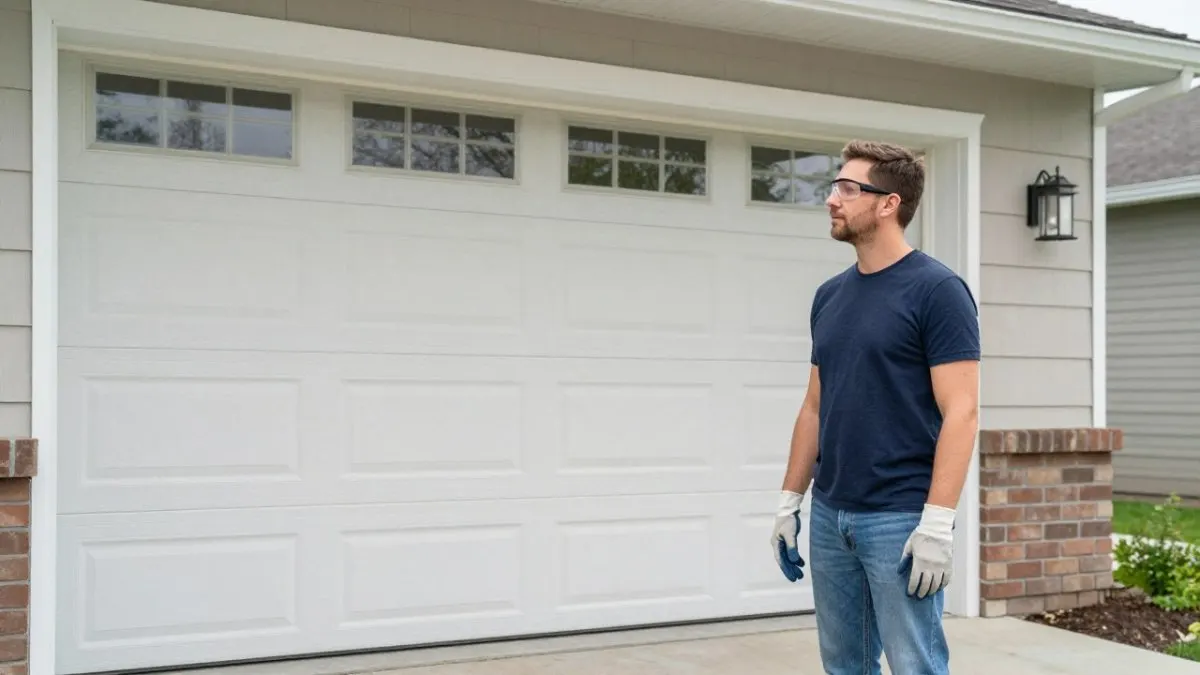
- Wear safety glasses to protect your eyes from snapping parts.
- Wear work gloves to protect your hands.
- Disconnect the opener and make sure the door is fully closed.
Only do visual checks from a safe distance. Leave anything involving tension, springs, or drums to a trained technician.
Garage Door Cable Replacement: When It Is a Job for a Professional
Garage door cable replacement is not a typical DIY project.
Call a professional when:
- A cable is broken, frayed, or has come off the drum
- The spring or drum also looks damaged
- The door is crooked or uneven
A qualified technician will release the spring tension safely, replace the cable, and balance the door.
If you need a broader repair or a new door, our Garage Door Cable Replacement in New Braunfels, TX service covers the cable work in detail.
The article lists several conditions that call for a professional, and the table below summarises them.
| Situation | Why a professional is needed | Homeowner action |
|---|---|---|
| Cable is broken, frayed, or off the drum | Cables sit under heavy spring tension | Stop using the door and call a technician |
| Spring or drum looks damaged | Releasing spring tension incorrectly can cause serious injury | Do not attempt repair yourself |
| Door is crooked or uneven | Unbalanced load puts stress on the remaining cable | Keep people and vehicles clear |
| Unsure how to release tension | Tension release requires trained handling | Leave the job to a trained technician |
Garage Door Cable Maintenance Tips to Prevent Future Failures
Cables fail for predictable reasons: wear, rust, misalignment, and an unbalanced door that puts extra load on one side. Regular care catches those problems early, and it also protects the springs and opener that share the load. The key is knowing what you can safely check and what should be left to a technician.
Safe Homeowner Checks (Visual Only, From a Safe Distance)
These checks can be done without tools and without touching tension components:
- Look at the cables. With the door closed, check each side for fraying, broken strands, rust, or a cable that looks slack or uneven on the drum.
- Listen to the door. A snapping, popping, or grinding sound during operation is a warning sign.
- Watch the door move. The door should rise and lower evenly. A door that tilts, binds, or hesitates points to a cable, spring, or balance problem.
Watch out: Do not touch, pull, or try to adjust a cable, spring, drum, or bottom bracket. These parts are under high tension, and a slip can cause serious injury. Visual checks only.
Lubrication: What to Use and What to Skip
Lubrication reduces wear on moving parts, but it is easy to overdo or apply to the wrong places.
- Use a silicone-based or lithium-based lubricant on rollers, hinges, and the torsion spring (a light coat only).
- Keep lubricant off the cables themselves. Cables are meant to run dry; lubricant can attract dirt and cause the cable to slip or wear unevenly.
- Wipe away excess lubricant and debris from the tracks. Do not lubricate the tracks, the rollers should roll, not slide.
A Simple Preventive Maintenance Schedule
A yearly professional inspection is the backbone of cable longevity, but a few homeowner habits between visits make a difference:
- Monthly: Watch and listen to the door during normal use. Note any change in sound, speed, or evenness.
- Every few months: Do the visual cable and track checks above, and test the safety reverse.
- Every 6-12 months: Lubricate rollers, hinges, and the torsion spring per the manufacturer’s guidance.
Why the Spring Type Matters for Maintenance
Extension-spring and torsion-spring doors wear differently, and that affects what a technician checks:
- Extension-spring doors have springs along the horizontal tracks. Technicians check the springs for stretch, the cables for even tension, and the pulleys for wear. These springs can release energy along the track if a cable or fitting fails.
- Torsion-spring doors have springs on a shaft above the door. Technicians check cable tension on both drums, spring wind, and the shaft bearings. A torsion system that is out of balance puts extra load on one cable.
In both systems, an unbalanced door is the most common root cause of premature cable wear. A yearly balance check catches it before a cable fails.
When Maintenance Turns Into Repair
Maintenance is about catching small problems before they become failures. If you notice any of the following during a check, stop using the door and call a qualified technician:
- A cable that is frayed, slack, or off the drum
- A door that is crooked or will not stay in place when raised partway
- A spring that looks stretched, broken, or separated
A yearly professional check is far less disruptive than a cable failure, and it gives you a clear picture of what needs attention before it becomes a repair.
Get a Safety Inspection and Quote from Lone Star Garage Solutions
A garage door cable problem can turn dangerous fast. If you see any of the warning signs above, it is time to call in a professional.
Lone Star Garage Solutions is a locally owned team serving New Braunfels and the surrounding Central Texas area. If your door is due for an upgrade, you can also explore our Garage Door Installation in New Braunfels, TX options.
Frequently Asked Questions
Is it common for garage door cables to break?
Garage door cables can fail over time because of wear, friction, corrosion, and dust buildup, especially on systems that have not been lubricated or inspected regularly. A cable that is frayed or loose is a warning sign that the system is under strain. If you notice any of these signs, stop using the door and have it inspected before the cable fails completely. Routine visual checks help you catch wear early, which is safer than waiting for a sudden break.
Is it safe to open a garage door with a broken cable?
No. A garage door with a broken cable can become unstable, drop unexpectedly, or stop balancing correctly, which creates a serious injury risk. Do not try to open or close the door by hand, and keep children, pets, and vehicles away from the area. Use the emergency release only if needed to secure the door, and then arrange a repair with a qualified technician as soon as possible.
Can I replace a garage door cable with the door down?
Cable replacement involves high tension in the spring system, and that tension can be dangerous if handled incorrectly. Because the door’s weight and spring load are not safe to work around without proper training and tools, replacement is best left to a qualified professional. Contact Lone Star Garage Solutions for a quote on your garage door repair.
What should I do if a garage door cable breaks on one side?
If a cable breaks on one side, the door will likely hang unevenly or tilt, and it may not operate smoothly. Stop using the door, keep the area clear, and avoid any attempt to force it open or closed. Because the remaining cable and spring are under significant tension, a professional should inspect and repair the system. Contact Lone Star Garage Solutions for a quote and a safety inspection of your garage door.